How Volunteer Networks Protect Civilians During Conflict
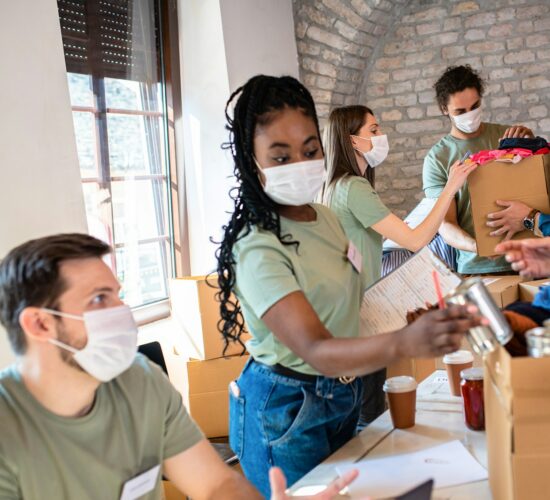
During times of war, civilians often face serious threats to their safety, health, and well-being. Families may lose access to food, clean water, medical care, and safe housing. However, volunteer networks play an important role in helping vulnerable communities survive these challenges. Through organized humanitarian efforts, local volunteers and international organizations provide essential resources and emotional support. Moreover, these networks strengthen community connections and help people recover from difficult experiences. Their dedication demonstrates how collective action can protect lives and restore hope during armed conflict.
Understanding the Importance of Volunteer Networks
Volunteer networks bring individuals, community groups, and humanitarian organizations together to support people affected by war. These groups often work in dangerous environments where government services struggle to operate. As a result, volunteers deliver emergency supplies, coordinate evacuations, and assist displaced families. Their local knowledge also helps them identify urgent needs and reach vulnerable populations.
Furthermore, volunteer networks encourage cooperation between residents and humanitarian agencies. Local volunteers understand their communities and can communicate directly with people who need assistance. Meanwhile, international organizations may provide additional funding, equipment, and professional expertise. Together, these partnerships improve humanitarian aid delivery and strengthen civilian protection efforts.
Delivering Emergency Food and Medical Assistance
Access to essential supplies becomes difficult when armed conflict damages roads, hospitals, and supply systems. As a result, volunteer groups organize food distribution programs to support families facing shortages. They collect donations, prepare emergency packages, and deliver drinking water to affected neighborhoods. Additionally, community volunteers help elderly residents and people with disabilities obtain necessities.
Medical support represents another important responsibility. Volunteers often assist healthcare professionals by transporting supplies, organizing first-aid stations, and connecting patients with medical services. Some humanitarian organizations also provide mobile clinics and emergency health programs. Through these efforts, volunteer networks help reduce preventable suffering and support civilians who cannot easily reach healthcare facilities.
Supporting Safe Evacuations and Temporary Shelter
When violence threatens residential communities, families may need to leave their homes immediately. Consequently, volunteer networks help coordinate transportation and share reliable information about available evacuation services. They also assist vulnerable individuals who require additional support during relocation. However, volunteers must coordinate with qualified humanitarian teams and follow safety guidance to avoid exposing civilians to further danger.
After evacuation, displaced families often struggle to find secure accommodation. Therefore, community organizations help establish temporary shelters and connect people with housing assistance. Volunteers may distribute blankets, clothing, hygiene products, and other necessities. Furthermore, they help families access local services and understand available resources. These activities provide immediate relief while supporting a more stable transition.
Providing Emotional Support to Affected Communities
Armed conflict creates emotional challenges that can continue long after immediate danger passes. Children may experience fear, uncertainty, and separation from familiar surroundings. Similarly, adults often struggle with grief, financial pressure, and concerns about their families. Volunteer networks respond by organizing community activities, creating supportive environments, and connecting individuals with trained mental health professionals.
Additionally, volunteers help displaced residents rebuild social connections. Community gatherings, educational activities, and family support programs give people opportunities to communicate and share experiences. These initiatives do not replace professional mental health treatment. Nevertheless, they can reduce isolation and encourage individuals to seek appropriate assistance when needed.
Strengthening Humanitarian Coordination and Local Resilience
Effective humanitarian assistance requires strong communication between different organizations. Therefore, volunteer networks often collaborate with nonprofit agencies, local authorities, and community leaders to identify urgent needs. They share information, organize donation campaigns, and coordinate the distribution of available resources. As a result, organizations can reduce unnecessary duplication and improve their response to changing circumstances.
Moreover, local volunteers contribute to long-term community resilience. They organize neighborhood support systems, assist with educational programs, and help restore essential community services when conditions allow. Their involvement also encourages residents to participate in recovery efforts. As a result, communities can build stronger relationships and improve their ability to respond to future emergencies.
Overcoming Challenges in Volunteer Humanitarian Work
Despite their contributions, volunteer networks face significant operational challenges. Limited funding, damaged transportation routes, and security risks can restrict humanitarian activities. Furthermore, volunteers may experience physical exhaustion and emotional stress while assisting affected populations. Organizations must therefore prioritize safety training, responsible resource management, and coordination with experienced humanitarian professionals.
Another challenge involves maintaining public trust and ensuring fair assistance. Volunteer organizations should distribute resources according to humanitarian needs rather than political or personal preferences. Transparent donation practices and accurate communication also strengthen accountability. By following these principles, volunteer networks can improve their effectiveness and maintain community confidence.
Building a Safer Future Through Collective Action
Volunteer networks demonstrate the value of compassion, cooperation, and shared responsibility during armed conflict. Although humanitarian volunteers cannot eliminate every danger civilians face, their work provides essential assistance when communities need it most. Through emergency relief, evacuation support, healthcare coordination, and emotional assistance, these groups help protect vulnerable populations.
Ultimately, sustained volunteer engagement can support recovery and strengthen community resilience. Governments, nonprofit organizations, and residents can improve humanitarian outcomes by working together and respecting established safety standards. Furthermore, continued investment in volunteer training and community partnerships can improve future emergency responses. By supporting responsible humanitarian action, societies can help civilians rebuild their lives with greater safety, stability, and hope.
Additional Information
- Blogs
- community resilience, educational activities, international organizations
- Alexander Rekeda