Beyond the Headlines: Understanding Media Coverage and Bias in the Ukraine War
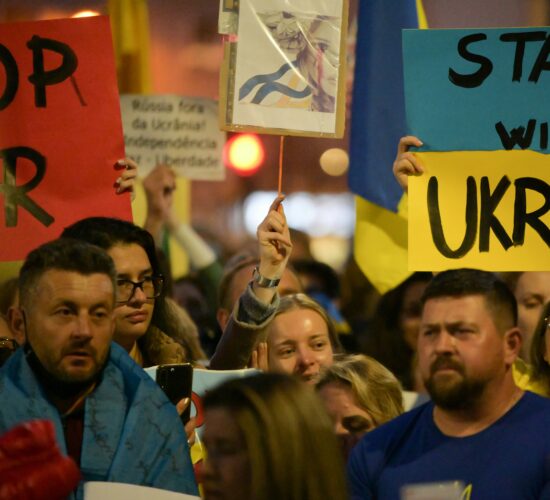
The media plays a powerful role in shaping how people understand wars. During the war in Ukraine, news organizations around the world have provided constant updates on military events, civilian experiences, political decisions, and international reactions. Through television, websites, social media, and digital platforms, millions of people have followed the conflict from different parts of the world. As a result, media coverage has become one of the main ways people learn about the realities of the war.
However, reporting on a major conflict is never simple. Journalists work in difficult environments where information changes quickly and emotions run high. Moreover, different news organizations may present events in different ways depending on their sources, audiences, and perspectives. Therefore, understanding media coverage and potential biases is important for anyone seeking a clearer view of the war in Ukraine.
The Role of Journalism in Covering the Ukraine War
Journalists provide an essential service by documenting events and informing the public. During the Ukraine war, reporters have traveled to conflict areas, interviewed civilians, and recorded the effects of military actions. Their work has helped people understand the human impact of the conflict beyond political statements and military reports. Consequently, journalism has become a bridge between people experiencing the war and those watching from afar.
Furthermore, media coverage helps the international community respond to crises. Reports about damaged cities, displaced families, and humanitarian challenges have encouraged global discussions and support efforts. However, journalists must carefully verify information because wars often involve confusion, restricted access, and competing claims. Therefore, accurate reporting requires patience, investigation, and a strong commitment to facts.
How Different Media Outlets Present the Conflict
Different media organizations may highlight different aspects of the war in Ukraine. Some outlets focus more on military developments, while others emphasize humanitarian issues, political decisions, or economic consequences. As a result, audiences may develop different understandings of the same event based on which sources they follow.
Moreover, media organizations operate within different cultural and political environments. News outlets in various countries may interpret events through the lens of their own national interests or public concerns. This does not always mean that reporting is intentionally misleading, but it shows how perspective can influence storytelling. Therefore, readers benefit from comparing multiple reliable sources to gain a broader understanding of the conflict.
The Influence of Political Perspectives on Reporting
Political views can affect how media organizations frame events during wartime. Reporters and editors make decisions about which stories receive attention, which voices appear in coverage, and how information is presented. Consequently, these choices can influence how audiences interpret the actions of governments, military forces, and international organizations.
Additionally, political environments can shape public discussions about the war. In some countries, media coverage may strongly support certain policies. At the same time, other outlets may question those same decisions; however, responsible journalism attempts to separate facts from opinions and provide balanced information. Therefore, recognizing possible political influences helps audiences become more thoughtful consumers of news.
The Impact of Social Media on War Reporting
Social media has changed the way people receive information about the war in Ukraine. Platforms such as X, Facebook, Instagram, and YouTube allow users to share images, videos, and personal experiences instantly. As a result, people can access information directly from individuals in conflict zones rather than relying solely on traditional news organizations.
However, social media also creates challenges for accurate reporting. False information, edited videos, and unverified claims can spread quickly during emotionally charged events. Moreover, users often share content before checking it reliability. Therefore, social media audiences must evaluate sources carefully and consider whether information comes from trustworthy organizations or verified individuals.
The Challenge of Avoiding Bias in War Reporting
Achieving complete neutrality in war reporting can be difficult because every story involves human experiences, emotions, and complex political contexts. Journalists must decide how to present events while considering accuracy, context, and public interest. Consequently, even professional reporting may reflect certain choices about language, images, and sources.
Furthermore, bias does not always come from intentional misinformation. It can appear through the selection of topics, the amount of attention given to certain events, or the absence of specific viewpoints. However, quality journalism recognizes these challenges and works to reduce unfair influence. Therefore, transparency and careful reporting practices are important for maintaining public trust.
The Importance of Reliable Sources and Fact Checking
Reliable sources help audiences understand the war in Ukraine more accurately. Professional news organizations often consult multiple sources, seek expert opinions, and use verification methods before publishing information. As a result, responsible reporting can provide a more complete picture of events and reduce the spread of false claims.
Moreover, fact-checking has become increasingly important because modern conflicts involve large amounts of digital information. Governments, organizations, and individuals may share information that supports their goals, making verification essential. Therefore, readers should look for evidence, compare reports, and rely on sources that demonstrate strong journalistic standards.
The Human Stories Behind the Headlines
While political and military developments receive significant attention, human stories remain a central part of coverage of the war in Ukraine. Reports about families, refugees, rescue workers, and communities affected by violence help audiences understand the personal impact of conflict. Consequently, human-centered journalism creates a deeper connection between global audiences and those experiencing the war.
Additionally, personal stories can influence international responses by showing the real consequences of military actions. However, journalists must present these stories respectfully and avoid using suffering only for emotional impact. Therefore, ethical reporting requires balancing emotional storytelling with accuracy and dignity.
The Future of Media Coverage in Modern Conflicts
The war in Ukraine has shown how important media coverage will remain in future conflicts. Technology, social platforms, and global communication networks have made information faster and more accessible than ever before. As a result, journalism continues to play a major role in shaping public understanding of international events.
Moreover, future war reporting will require stronger attention to digital responsibility, verification, and media education. Audiences will need better skills to identify reliable information in an increasingly crowded online environment. Therefore, the relationship between journalism and the public will continue to evolve as technology changes.
Understanding News Beyond the Headlines
Media coverage has played a major role in shaping global perceptions of the war in Ukraine. Through traditional journalism and digital platforms, people have gained access to information about military events, political decisions, and human experiences. However, reporting during conflict always involves challenges related to accuracy, perspective, and potential bias.
Ultimately, becoming an informed audience requires more than reading a single report or relying on a single source. By comparing reliable information, understanding different perspectives, and recognizing the challenges journalists face, people can develop a clearer view of complex conflicts. The war in Ukraine demonstrates that responsible media coverage remains essential to helping the world understand the realities of war.
Additional Information
- Blogs
- civilian experiences, political decisions, responsible journalism
- Alexander Rekeda