How Drone Warfare and Advanced Technology Are Changing the Ukraine Battlefield
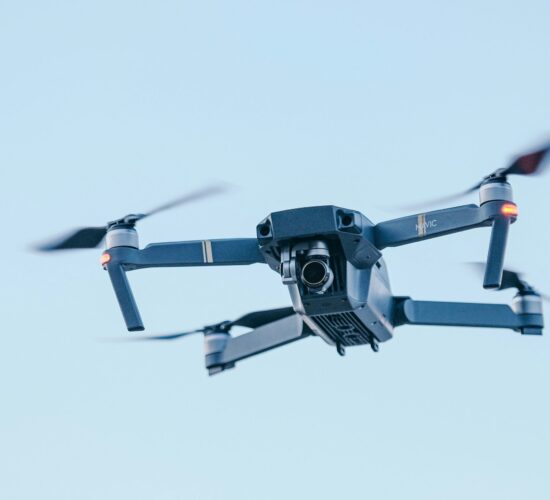
The modern conflict landscape continues to evolve at a rapid pace, and the Ukraine battlefield stands at the center of this transformation. Military forces now rely heavily on advanced systems that blend speed, precision, intelligence, and real-time communication to gain a strategic advantage. Among these modern innovations, unmanned aerial systems, artificial intelligence, and digital technologies have redefined how military operations unfold across land, air, and cyberspace.
As a result, commanders make faster decisions, troops respond more efficiently, and battlefield strategies shift in real time based on continuously updated intelligence. This combination of innovation and adaptability highlights how modern warfare no longer depends solely on traditional equipment but instead embraces integrated systems that deliver immediate, actionable, and highly coordinated results.
The Rise of Unmanned Aerial Systems in Modern Combat
Unmanned aerial systems have quickly become essential tools in modern military operations. These systems provide continuous surveillance, allowing forces to monitor enemy movement, identify potential threats, and gather valuable intelligence without exposing personnel to unnecessary danger. Because they operate remotely, they reduce operational risk while expanding military reach across difficult and contested environments.
Moreover, these systems support both reconnaissance and precision targeting during combat operations. Commanders can gather real-time intelligence, verify targets, and act on critical information within seconds. This rapid response capability improves coordination across multiple military units while reducing delays in decision-making. Consequently, military operations become more efficient, strategic planning becomes more accurate, and mission success rates continue to improve.
Precision Targeting and Tactical Advantage
Advanced targeting systems now play a crucial role in shaping combat outcomes across modern battlefields. These technologies combine sophisticated sensors, high-resolution imaging, satellite positioning, and advanced data analysis to identify threats with exceptional accuracy. As a result, military forces can engage specific targets while minimizing unintended damage and preserving valuable resources.
At the same time, improved targeting systems support coordinated operations across multiple military branches. Ground forces, aerial platforms, naval units, and command centers can exchange information instantly through secure communication networks. Therefore, they execute synchronized missions that increase operational success and improve battlefield efficiency. This advanced level of coordination reflects a major shift toward intelligence-driven and data-supported combat strategies.
Real-Time Intelligence and Data Integration
Modern combat relies heavily on real-time intelligence to maintain operational awareness and support effective decision-making. Advanced communication networks allow information to flow seamlessly between reconnaissance units, command centers, and frontline personnel. Because of this constant connectivity, commanders gain a comprehensive understanding of battlefield conditions at all times.
In addition, sophisticated data integration systems analyze enormous volumes of operational information within seconds. These platforms identify patterns, detect emerging threats, and recommend the most effective responses based on current battlefield conditions. As a result, military leaders can anticipate enemy actions rather than simply reacting after events unfold.
Electronic Warfare and Signal Disruption
Electronic warfare has become a critical element in modern conflict environments where communication and information dominate military operations. By targeting communication networks, navigation systems, and electronic signals, forces can disrupt enemy coordination and interfere with command capabilities. This disruption weakens decision-making structures while limiting the opponent’s ability to respond effectively during rapidly changing situations.
Furthermore, advanced technologies help secure friendly communication systems from interference and cyber threats. By protecting critical communication channels and maintaining secure data transmission, military forces preserve operational control even in contested environments.
Autonomous Systems and Decision Support
Autonomous systems continue to transform how decisions are made during modern military operations. These intelligent systems analyze vast amounts of operational data, assess potential risks, and recommend appropriate actions based on continuously updated information. Because they process complex data far faster than human analysts, they provide valuable support to commanders facing rapidly evolving situations.
Additionally, autonomous technologies reduce the workload placed on military personnel during demanding operations. Soldiers and commanders can focus on strategic objectives and mission execution while automated systems perform routine monitoring, analysis, and information processing. As a result, operational efficiency improves, response times become shorter, and resources are utilized more effectively.
Enhanced Surveillance and Reconnaissance Methods
Surveillance technology has advanced significantly, providing military forces with detailed and continuously updated insights into battlefield conditions. High-resolution imaging systems, thermal sensors, motion detection technologies, and advanced observation platforms allow forces to monitor activity across large operational areas throughout the day and night.
Moreover, improved reconnaissance methods enable long-range observation without requiring direct engagement with opposing forces. This approach minimizes operational risk while maintaining continuous situational awareness during complex missions.
Logistics, Supply Chains, and Operational Efficiency
Technology also plays a vital role in improving military logistics and supply chain management during extended operations. Automated systems monitor equipment, track critical resources, manage inventory levels, and optimize transportation routes to ensure efficient delivery of essential supplies. Because of these technological improvements, military units receive fuel, medical equipment, ammunition, and other resources more quickly and with fewer disruptions.
In addition, predictive analytical tools help military planners anticipate resource requirements before shortages occur. By analyzing usage patterns, operational demands, and historical data, these systems ensure that supplies remain available whenever and wherever they are needed. Therefore, operational continuity improves, overall readiness remains high, and forces can sustain long-term missions with greater confidence and efficiency.
The Future of Technology-Driven Warfare
The continued evolution of military technology points toward even greater integration of advanced systems across every aspect of future military operations. Innovations in artificial intelligence, robotics, autonomous platforms, communication networks, and advanced analytics will further enhance operational capabilities while supporting faster and more informed decision-making.
At the same time, continuous adaptation remains essential for military organizations operating in rapidly changing environments. Armed forces must regularly update their tactics, training, and technological capabilities to keep pace with emerging innovations and evolving threats. This ongoing commitment to modernization ensures that technology remains a powerful strategic asset rather than a limitation.
Additional Information
- Blogs
- advanced technologies, artificial intelligence, modern innovations
- Alexander Rekeda