Comparing the Ukraine War With Modern Conflicts: Lessons From Global Warfare
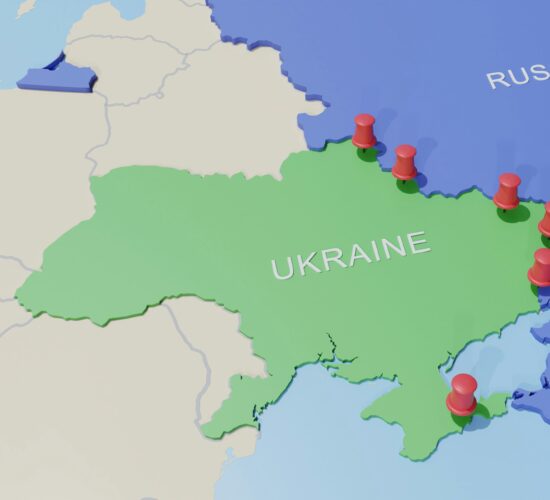
The Ukraine War has become one of the most significant conflicts of the 21st century, reshaping global security discussions and changing how nations view modern warfare. Comparing the Ukraine War with other modern conflicts helps reveal important similarities and differences in military strategies, political goals, technology use, and humanitarian consequences. While every conflict develops from unique historical circumstances, studying these wars together provides valuable insight into how nations respond to threats, manage uncertainty, and adapt to changing battlefield conditions.
Understanding the Ukraine War in the Context of Modern Warfare
The Ukraine War represents a major shift in how countries approach large-scale military operations. Unlike many recent conflicts that involved limited forces, counterinsurgency campaigns, or regional struggles, this war has involved extensive conventional warfare between two major military forces. As a result, it has brought back discussions about territorial defense, armored warfare, artillery strength, and long-term military preparation. Furthermore, the conflict has shown that traditional combat methods now coexist with advanced digital technologies and information campaigns.
Comparing the Ukraine War with conflicts such as the Iraq War, the Afghanistan War, and the Syrian Civil War reveals important differences in objectives and battlefield environments. For example, the Iraq and Afghanistan conflicts focused heavily on counterterrorism and nation-building efforts, while the Ukraine War centers on national sovereignty and territorial control. Therefore, the conflict demonstrates how modern wars can vary greatly depending on political ambitions, geography, and international involvement.
Military Strategies and Battlefield Evolution Across Conflicts
Military strategy has changed significantly across recent decades, and the Ukraine War highlights many of these developments. In previous modern conflicts, powerful nations often relied on air superiority, special forces, and advanced intelligence systems to achieve rapid victories. However, the Ukraine has shown that ground forces, defensive positions, and supply networks remain extremely important. Additionally, both sides have used drones, satellite technology, and cyber operations to gain advantages on the battlefield.
When comparing the Ukraine with other modern conflicts, technology becomes one of the clearest areas of difference. The Syrian Civil War, for example, involved urban combat, foreign intervention, and irregular fighting groups. Meanwhile, the Ukraine War has featured widespread use of commercial drones, precision weapons, and real-time battlefield communication. As a result, military leaders around the world are studying this conflict to understand how future wars may combine traditional forces with emerging technologies.
The Role of Global Powers in Modern Conflicts
International involvement has shaped many modern conflicts, and the Ukraine War follows this broader pattern. Major global powers have influenced conflicts through military support, economic assistance, diplomatic pressure, and strategic partnerships. However, the level of international attention surrounding the Ukraine has been especially significant due to its impact on European security and global political relations.
Comparing the Ukraine War with conflicts in Afghanistan, Iraq, and Syria shows different forms of international engagement. In Afghanistan and Iraq, foreign military forces directly participated in combat operations for extended periods. In contrast, many countries supporting Ukraine have provided weapons, training, and financial assistance without directly entering the war. Therefore, this approach reflects a different model of international involvement shaped by concerns about escalation and global stability.
Humanitarian Effects and Civilian Experiences in War
The human impact of war remains one of the most important factors when comparing modern conflicts. The Ukraine War has caused widespread displacement, infrastructure damage, and significant challenges for civilians. Millions of people have faced disrupted lives, separation from families, and uncertainty about their futures. Moreover, the conflict has highlighted the importance of humanitarian organizations and international support systems during major crises.
Similar challenges appeared in other modern conflicts, including Syria and Afghanistan, where civilians experienced displacement, economic hardship, and security threats. However, the Ukraine War has received extensive global media attention because of its location, international connections, and widespread digital coverage. Consequently, the conflict has increased public awareness of the human consequences of modern warfare and the importance of protecting civilian populations.
Information Warfare and the Power of Digital Communication
Information warfare has become a defining feature of the Ukraine War and many other modern conflicts. Today, governments and military groups use social media, online platforms, and digital campaigns to influence public opinion and shape international narratives. Furthermore, cyberattacks and online misinformation have become tools that can affect both military operations and civilian understanding of events.
Comparing the Ukraine War with earlier conflicts shows how communication methods have transformed over time. During the Iraq and Afghanistan wars, traditional news organizations played a dominant role in reporting events. However, the war in Ukraine has demonstrated how smartphones, social networks, and independent online sources can provide immediate battlefield information. As a result, modern conflicts now involve not only physical battles but also struggles over information and public perception.
Economic Consequences of Modern Conflicts
Wars often create economic challenges that extend beyond national borders, and the Ukraine War has demonstrated this global impact. Energy markets, food supplies, trade relationships, and international investments have all been affected by the conflict. Additionally, economic sanctions and financial restrictions have become important tools for countries seeking to influence wartime outcomes.
Other modern conflicts have also created economic difficulties, but the Ukraine War has had broader international consequences due to Ukraine’s role in global agricultural and energy networks. For instance, disruptions in grain exports affected food security discussions in many regions. Therefore, comparing the Ukraine War with previous conflicts shows how interconnected the modern global economy has become and how regional wars can create worldwide effects.
Lessons From Comparing the Ukraine War With Other Conflicts
Comparing the Ukraine War with other modern conflicts provides important lessons about the future of warfare. First, the conflict shows that military strength alone does not guarantee quick success. Instead, factors such as national unity, international partnerships, technology, and strategic planning play major roles. Additionally, the war demonstrates that countries must prepare for both traditional military challenges and new forms of digital competition.
Furthermore, the war in Ukraine highlights the importance of resilience in modern societies. Other conflicts have shown that political stability, economic strength, and public support influence how nations respond to long-term challenges. Therefore, studying different wars together helps policymakers, military leaders, and communities better understand the complex nature of modern security threats.
Additional Information
- Blogs
- Alexander Rekeda