Humanitarian Challenges in the Ukraine War: Supporting Civilians Through Recovery and Resilience
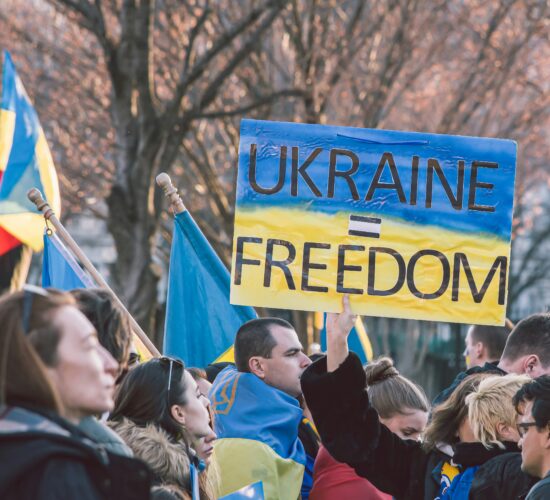
The ongoing Ukraine war has transformed daily life for millions of civilians across the country. Communities continue to face uncertainty as families adapt to changing circumstances in search of safety, stability, and hope. Humanitarian Challenges remain central to recovery efforts because people need reliable access to healthcare, education, housing, food, clean water, and economic opportunities. Governments, humanitarian organizations, local volunteers, and international partners continue working together to address urgent needs while strengthening long-term recovery.
Although progress continues in many communities, sustained support remains essential because recovery involves rebuilding both physical infrastructure and human well-being. Every effort that restores services, protects vulnerable populations, and strengthens local communities helps civilians move toward a safer and more stable future.
Understanding the Humanitarian Reality for Civilians
The humanitarian situation continues to affect nearly every aspect of civilian life. Families often experience interruptions to healthcare, education, employment, transportation, and public services. These disruptions create challenges that extend beyond immediate emergencies, influencing long-term well-being and community development. Consequently, humanitarian assistance must respond to both urgent and ongoing needs.
Communities also experience changing conditions as recovery efforts progress. Local leaders, humanitarian organizations, and government agencies regularly assess new priorities while adapting their response strategies. Therefore, cooperation among all partners improves the effectiveness of humanitarian programs. As communities rebuild essential services, civilians gain greater confidence that recovery will continue despite ongoing difficulties.
Displacement Continues to Shape Daily Life
Many civilians have left their homes in search of safer environments. Some families relocate within Ukraine, while others temporarily settle in neighboring countries. Although displacement provides greater physical safety for many people, it often creates new challenges related to employment, education, healthcare, and social connections. As a result, families must adapt to unfamiliar communities while rebuilding their daily routines.
Humanitarian organizations continue supporting displaced civilians through housing assistance, legal guidance, financial support, and community services. Moreover, host communities often work alongside relief agencies to welcome newcomers and improve access to essential resources. These partnerships encourage social inclusion while helping displaced families establish greater stability and independence over time.
Healthcare Remains a Critical Priority
Reliable healthcare remains essential throughout every stage of humanitarian recovery. Hospitals, clinics, and community health providers continue serving civilians who require emergency care, routine treatment, preventive services, maternal healthcare, rehabilitation, and chronic disease management. However, healthcare systems often operate under increased pressure because communities continue facing complex humanitarian needs.
Humanitarian organizations strengthen healthcare by supplying medicine, medical equipment, mobile clinics, and specialized healthcare professionals. In addition, mental health services continue expanding because emotional well-being plays an important role in long-term recovery. Counseling, community support programs, and psychological care help individuals manage stress and strengthen resilience across affected communities.
Education Offers Stability and Hope
Education creates structure and opportunity even during humanitarian crises. Children benefit from consistent learning because schools encourage personal development, emotional well-being, and social interaction. Although many educational systems have experienced disruptions, teachers and communities continue working together to ensure students maintain access to learning opportunities whenever possible.
Recovery initiatives focus on repairing educational facilities, providing classroom materials, supporting educators, and expanding digital learning resources where appropriate. Furthermore, schools often serve as important community centers that foster cooperation and provide emotional support. Continued investment in education strengthens future generations while helping communities recover with confidence and resilience.
Housing and Shelter Support Recovery
Safe housing remains one of the most important foundations of humanitarian recovery. Families require secure places where they can rest, rebuild routines, and reconnect with essential services. Unfortunately, many civilians continue facing housing challenges because displacement and damaged infrastructure have affected local communities across the region.
Humanitarian agencies respond by supporting temporary accommodations, housing rehabilitation, rental assistance, and community rebuilding projects. Likewise, local governments coordinate infrastructure improvements that restore neighborhoods and improve living conditions. Stable housing also creates better access to employment, healthcare, education, and transportation, allowing families to rebuild their lives more effectively.
Food Security Protects Civilian Well-Being
Access to nutritious food remains essential for healthy communities. Humanitarian assistance helps ensure families receive reliable food supplies despite disruptions affecting transportation, agriculture, and local markets. Food security programs reduce immediate hardship while supporting long-term recovery through community partnerships and sustainable planning.
Nutrition initiatives place special emphasis on children, older adults, pregnant women, and individuals with medical conditions. Meanwhile, humanitarian organizations support local agriculture whenever possible because stronger food systems improve long-term resilience. Communities that maintain reliable food access become better prepared to recover from future challenges while improving overall public health.
Protecting Children During Humanitarian Recovery
Children experience humanitarian crises differently from adults because their physical, emotional, and educational development depends upon stable environments. Therefore, protecting children remains a central priority for humanitarian organizations working throughout affected communities. Safe learning environments, healthcare services, family support, and recreational activities all contribute to healthier childhood development.
Child protection programs also strengthen community resilience by helping families access social services and emotional support. Additionally, educators, healthcare professionals, and volunteers collaborate to create environments where children continue learning while developing confidence and social connections. These investments strengthen both individual families and broader communities throughout the recovery process.
Supporting Older Adults and Vulnerable Populations
Older adults, people with disabilities, and individuals managing chronic health conditions often require additional humanitarian assistance. They may depend upon accessible transportation, specialized healthcare, mobility support, or community services that become more difficult to access during periods of instability. Therefore, inclusive humanitarian planning remains essential.
Humanitarian organizations design targeted programs that improve accessibility while protecting independence and dignity. Furthermore, community outreach initiatives identify individuals requiring additional support and connect them with appropriate resources. Inclusive recovery strengthens society because every resident benefits when essential services remain available to all community members.
Additional Information
- Blogs
- economic opportunities, educational facilities, Humanitarian organizations
- Alexander Rekeda