Shifting Frontlines: How the Ukraine War Is Reshaping Global Military Alliances
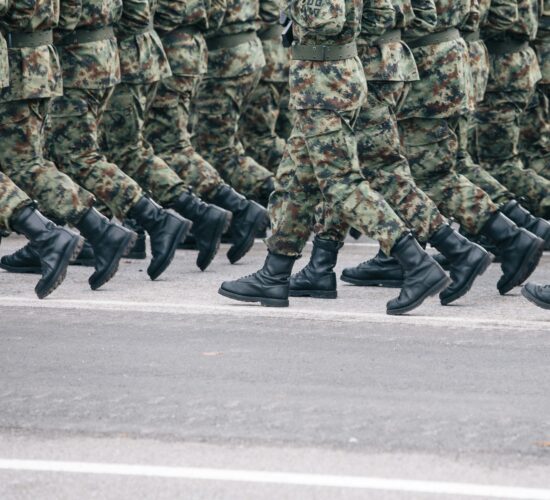
The Ukraine war has become one of the most significant geopolitical events of the 21st century. Since the conflict began, it has changed the way countries think about security, defense cooperation, and military preparedness. Nations around the world are reassessing their strategic priorities and strengthening partnerships to address new security challenges. As a result, global military alliances are evolving in ways that could influence international relations for decades to come.
The Strengthening of NATO
One of the most visible effects of the Ukraine war has been the renewed strength of the North Atlantic Treaty Organization (NATO). Before the conflict, some experts questioned the alliance’s long-term unity and relevance. However, the war has encouraged member countries to work more closely together and increase their defense commitments.
Many NATO members have raised military spending and expanded defense programs. The alliance has also increased its military presence in Eastern Europe to strengthen deterrence and reassure member states located near the conflict zone. Joint military exercises, intelligence sharing, and defense planning have become more important than ever. These developments have reinforced NATO’s role as a key security organization in Europe.
Expansion of Military Partnerships in Europe
The conflict has encouraged several European countries to deepen military cooperation. Governments that once maintained a more cautious approach to defense policy are now investing heavily in military modernization and readiness.
The war has highlighted the importance of collective security, leading many countries to strengthen regional defense agreements. Increased cooperation in areas such as cybersecurity, intelligence sharing, and military training has become a common feature of European security policy. This growing collaboration reflects concerns about future threats and the need for a coordinated response.
Rising Defense Spending Around the World
The Ukraine war has prompted many governments to increase defense budgets. Leaders recognize that military readiness remains an essential part of national security. As a result, countries across Europe, Asia, and other regions are allocating more resources to their armed forces.
Military modernization programs are focusing on advanced technologies, including missile defense systems, drones, cyber capabilities, and artificial intelligence. Defense industries are also experiencing increased demand as governments seek to strengthen their military capabilities.
This rise in defense spending is not limited to countries directly affected by the conflict. Nations across the globe are reviewing their security strategies and preparing for potential future challenges. The trend demonstrates how the Ukraine war has influenced military planning far beyond the battlefield.
Growing Security Cooperation in Asia
The impact of the Ukraine war extends well beyond Europe. In Asia, several countries are closely monitoring the conflict and drawing lessons from its developments. Security concerns have encouraged stronger defense partnerships and increased military coordination among regional powers.
Governments are expanding joint military exercises and improving defense cooperation agreements. The conflict has also highlighted the importance of supply chain security, energy resilience, and strategic preparedness. Many countries see the war as a reminder that geopolitical tensions can have global consequences.
As a result, military alliances and partnerships in Asia are becoming increasingly important. These relationships are designed to improve stability, strengthen deterrence, and prepare for emerging security challenges.
The Role of New Defense Technologies
The Ukraine war has demonstrated the growing importance of advanced military technology in modern warfare. Drones, satellite intelligence, cyber operations, and precision-guided weapons have played critical roles throughout the conflict.
Military alliances are responding by investing in technological cooperation and innovation. Countries are sharing expertise, conducting joint research, and developing new defense systems together. This technological collaboration is becoming a central feature of many military partnerships.
The focus on innovation is helping alliances adapt to changing battlefield conditions. It is also creating stronger connections between governments, defense industries, and research institutions across multiple regions.
Changes in Global Strategic Thinking
The conflict has influenced how governments view international security. Many leaders now place greater emphasis on preparedness, resilience, and alliance-building. The war has demonstrated that geopolitical stability cannot be taken for granted and that strong partnerships remain essential for national defense.
Countries are paying closer attention to issues such as energy security, supply chain protection, and cyber defense. Military alliances are expanding their focus beyond traditional battlefield concerns to address a broader range of security risks.
This shift in strategic thinking is encouraging closer cooperation among nations that share common interests and security goals. As a result, military alliances are becoming more comprehensive and adaptable.
The Ukraine war is reshaping global military alliances in significant ways. It has strengthened existing partnerships, encouraged new forms of defense cooperation, and prompted nations to invest more heavily in military readiness. From Europe to Asia, governments are reevaluating their security strategies and working more closely with allies to address emerging threats.
As the conflict continues to influence international affairs, its impact on military alliances is likely to remain a defining feature of global security. The changes taking place today are not only affecting current defense policies but are also shaping the future structure of international military cooperation. Through stronger partnerships, increased defense spending, and technological innovation, countries are adapting to a rapidly changing security environment.