The Lasting Psychological Damage from the Ukraine War
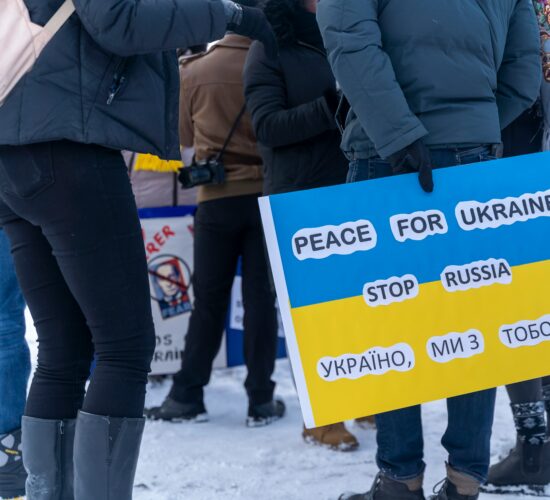
The Ukraine war has caused deep and lasting harm beyond physical destruction. One of the most serious effects is the psychological damage from the Ukraine war. This damage affects soldiers, civilians, and even future generations. While buildings can be rebuilt, mental wounds often remain for years. Therefore, understanding these effects is essential for recovery and long-term stability.
Understanding Psychological Damage from the Ukraine War
The psychological damage from the Ukraine war includes trauma, anxiety, depression, and stress disorders. Many people face constant fear due to ongoing violence. As a result, their sense of safety disappears.
Moreover, repeated exposure to conflict can change how people think and feel. Children and adults may struggle with trust and emotional stability. In addition, long-term stress can affect memory, focus, and decision-making.
These effects do not fade quickly. Instead, they often grow worse without proper care. Therefore, mental health support is critical during and after war.
The Impact of War Trauma on Civilians
Civilians face some of the most severe mental health challenges during war. Many lose their homes, family members, and their sense of normal life. Consequently, they experience deep emotional pain and uncertainty.
War trauma in Ukraine often includes symptoms like nightmares, panic attacks, and emotional numbness. People may avoid reminders of the conflict. However, these memories often return in unexpected ways.
Furthermore, displacement increases stress levels. Refugees must adjust to new environments while dealing with past trauma. This combination makes recovery even more difficult.
Mental Health Crisis in Ukraine’s Children
Children remain especially vulnerable to the psychological damage from the Ukraine war. Their brains are still developing, which makes trauma more harmful. As a result, early exposure can shape their future behavior and emotional health.
Many children witness violence or lose access to education. Consequently, they may show signs of aggression, fear, or withdrawal. In addition, they often struggle to express their feelings clearly.
Without proper support, these issues can continue into adulthood. Therefore, early intervention plays a key role in reducing long-term damage.
Long-Term Effects on Soldiers and Veterans
Soldiers face intense psychological pressure during combat. They often experience life-threatening situations daily. As a result, many develop post-traumatic stress disorder, also known as PTSD.
The long-term effects of war on mental health include flashbacks, emotional detachment, and difficulty adjusting to civilian life. Veterans may also face guilt or survivor’s remorse. These feelings can deeply affect their relationships and daily routines.
Moreover, returning soldiers often struggle to find a sense of purpose after the war. This challenge increases the risk of depression and isolation. Therefore, long-term mental health care is essential for veterans.
Social and Cultural Consequences of War Trauma
The psychological damage from the Ukraine war does not affect individuals alone. It also impacts communities and society as a whole. When many people suffer trauma, social trust begins to break down.
Communities may experience increased conflict, fear, and division. In addition, cultural identity can shift under prolonged stress. People may lose faith in institutions and leadership.
Furthermore, shared trauma can influence national narratives. These narratives shape how future generations understand the war. Therefore, mental health recovery also supports social stability.
Barriers to Mental Health Support in Conflict Zones
Despite the urgent need, many people cannot access mental health services. War zones often lack trained professionals and safe facilities. As a result, support systems remain limited.
Stigma also plays a role. In many communities, people avoid discussing mental health issues. Consequently, they delay or avoid seeking help.
Additionally, ongoing conflict disrupts healthcare systems. Resources often focus on physical injuries rather than emotional recovery. Therefore, psychological care remains underfunded and overlooked.
The Role of Global Support and Awareness
International support can help address the mental health crisis in Ukraine. Governments and organizations can provide funding, training, and resources. As a result, more people can receive proper care.
Raising awareness also reduces stigma. When people understand trauma, they are more likely to seek help. In addition, education can teach coping strategies and resilience.
Moreover, digital tools now offer remote therapy options. These solutions can reach people in hard-to-access areas. Therefore, global cooperation plays a key role in recovery.
Pathways Toward Long-Term Psychological Recovery
Recovery from the psychological damage from the Ukraine war requires time and consistent effort. Mental health programs must focus on long-term care rather than short-term relief.
Community-based support systems can help rebuild trust and connection. Group therapy and shared experiences often promote healing. In addition, schools and workplaces can provide safe environments for recovery.
Furthermore, early intervention reduces the risk of chronic mental illness. When people receive help quickly, outcomes improve. Therefore, investment in mental health services must remain a priority.
The psychological damage from the Ukraine war represents one of its most lasting consequences. While physical rebuilding may take years, mental recovery often takes longer. Civilians, children, and soldiers all face deep emotional challenges.
However, awareness, support, and early intervention can make a difference. By addressing war trauma in Ukraine, societies can rebuild stronger foundations. Ultimately, healing the mind remains essential for lasting peace and stability.
Additional Information
- Blogs
- Alexander Rekeda