Protecting Humanity: International Law and the Ukraine Conflict
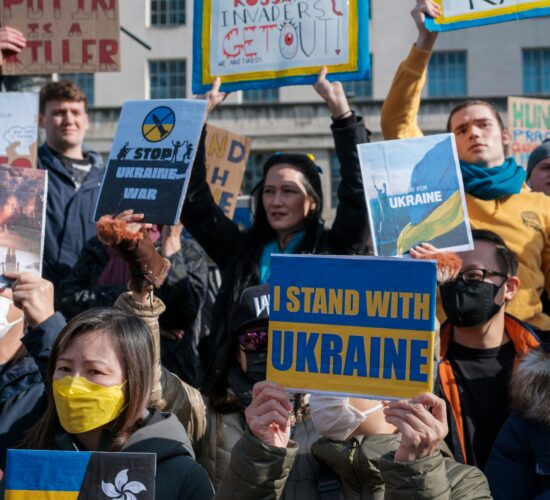
International humanitarian law (IHL) sets the rules for the conduct of war, aiming to protect civilians, prisoners, and property. It establishes clear boundaries for military operations and outlines the responsibilities of all parties to the conflict. In the Ukraine war, IHL plays a critical role, guiding both national forces and international organizations. By applying these rules, countries can reduce unnecessary suffering and uphold global standards.
The core principles of IHL include distinction, proportionality, and necessity. Distinction requires combatants to differentiate between civilians and military targets. Proportionality ensures that harm to civilians does not outweigh the military advantage gained. Necessity limits the use of force to what is strictly needed for military objectives. These principles provide a framework that is relevant to Ukraine, where civilian populations and infrastructure face significant threats.
Civilians and Civilian Infrastructure
The protection of civilians remains one of the most important aspects of IHL. In Ukraine, cities and towns have experienced significant shelling, and civilians often lack safe access to necessities. IHL obliges all parties to minimize harm to these populations, even while pursuing military objectives. Compliance can prevent unnecessary casualties and support humanitarian relief efforts.
Additionally, civilian infrastructure such as hospitals, schools, and water systems must not be targeted according to IHL. Attacks on these facilities can have long-term consequences for communities and violate international standards. Humanitarian organizations rely on these protections to provide aid safely. Therefore, respecting IHL principles in Ukraine is essential to saving lives and maintaining essential services.
Prisoners of War and Human Rights
IHL also governs the treatment of prisoners of war (POWs). Captured soldiers must be treated humanely, without torture or degrading treatment. In Ukraine, both sides are responsible for ensuring that POWs receive adequate food, shelter, and medical care. International monitoring, often by the Red Cross, helps verify compliance with these rules.
Human rights law overlaps with IHL, emphasizing that even in conflict, certain protections are non-negotiable. Civilians and combatants alike have rights that must be respected. Violations can lead to international accountability and legal proceedings. Consequently, IHL provides both a moral and legal framework for humane treatment in war.
The Role of International Organizations
International organizations play a key role in monitoring, enforcing, and promoting compliance with IHL. Groups like the International Committee of the Red Cross (ICRC) work on the ground to protect civilians, provide medical aid, and document violations. In Ukraine, these organizations coordinate with local authorities and military actors to facilitate relief and ensure adherence to humanitarian rules.
The United Nations and regional bodies also contribute by investigating potential war crimes and supporting diplomatic efforts. They provide guidance on legal responsibilities and help coordinate humanitarian assistance. By combining monitoring, advocacy, and enforcement, international organizations strengthen the overall impact of IHL in conflict zones.
Accountability and War Crimes
Violations of IHL can constitute war crimes, and Ukraine has seen reports of attacks on civilians and civilian infrastructure. International courts, including the International Criminal Court (ICC), have jurisdiction over these crimes, ensuring that perpetrators may face legal consequences. Investigations collect evidence, witness testimony, and documentation to hold violators accountable.
Accountability underscores the importance of adhering to humanitarian law. It deters future violations and promotes respect for civilians and soldiers alike. In addition, public awareness and media coverage amplify these legal efforts, highlighting the consequences of breaches of IHL. Consequently, accountability is both a legal mechanism and a moral imperative in the Ukraine war.
Challenges in Modern Warfare
Modern conflicts, including the Ukraine war, pose unique challenges for IHL. Urban warfare, long-range artillery, and advanced drone technology make it harder to avoid civilian casualties. Combatants must constantly assess proportionality and necessity as they respond to rapidly changing conditions on the battlefield. Technology can help identify targets more accurately, but human judgment remains essential.
Furthermore, misinformation and propaganda can complicate compliance with humanitarian law. Misreporting can mask violations or create confusion about which parties are responsible. International observers must verify claims carefully to ensure that IHL is enforced fairly and accurately. These challenges highlight the ongoing need for education, monitoring, and adaptation of humanitarian principles.
Humanitarian Aid and Relief Efforts
Access to humanitarian aid is a central concern in the Ukraine war. IHL guarantees that civilians should receive assistance, and safe corridors are often negotiated to allow aid delivery. Relief organizations provide food, medical supplies, and shelter while coordinating with military authorities to avoid harm. This work saves lives and reinforces the relevance of international law.
Additionally, local communities and volunteers play a vital role in supporting humanitarian efforts. They help distribute aid, maintain shelters, and assist displaced populations. Their work complements the principles of IHL by ensuring that protection and relief reach those most in need. Consequently, humanitarian operations are a practical demonstration of international law in action.
Looking Forward: Strengthening Compliance
The Ukraine war underscores the need to strengthen compliance with international humanitarian law. Education, training, and awareness programs for military personnel and civilians are essential. These initiatives promote understanding of legal obligations and encourage responsible conduct during armed conflicts.
Moreover, global cooperation is crucial to ensuring that IHL remains effective. Countries, international organizations, and civil society must continue to monitor, report, and enforce humanitarian standards. By maintaining vigilance and coordination, the international community can uphold the principles that protect humanity in times of war. The lessons from Ukraine will shape the application of humanitarian law for future conflicts, reinforcing the importance of rules even in the most challenging circumstances.
Additional Information
- Blogs
- international community, military operations
- Alexander Rekeda