From Crisis to Adaptation: The Economic Transformation of Russia and Ukraine During War
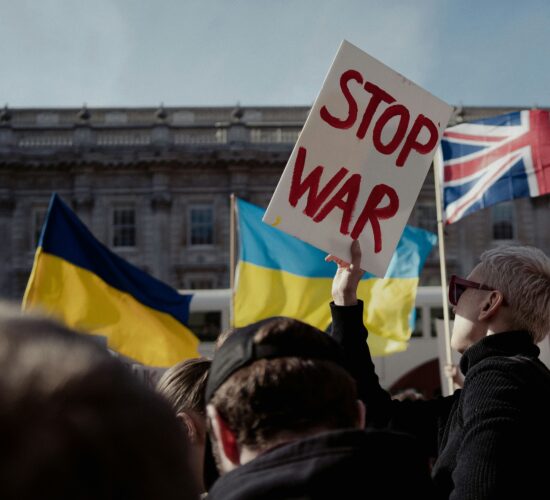
The conflict between Russia and Ukraine has altered economic stability in both nations. When the war intensified in 2022, financial markets reacted with uncertainty and caution. Businesses slowed investment while trade routes faced disruption. As a result, both economies entered a period of sharp decline and rapid adjustment. The war forced governments to rethink priorities and focus on immediate survival.
At the same time, global reactions amplified the economic impact. Sanctions targeted Russia, while international aid supported Ukraine. Consequently, both countries faced external pressures and internal challenges. This combination reshaped economic strategies and long-term planning.
Ukraine’s Economic Collapse and Recovery Efforts
Ukraine faced immediate economic damage as the war disrupted infrastructure and industry. Factories reduced output or closed due to safety concerns. Transportation systems suffered damage, which limited trade and supply chains. As a result, the country experienced a steep decline in economic activity.
Meanwhile, millions of people fled conflict zones in search of safety. This displacement reduced the available workforce and weakened productivity. The government redirected resources toward defense and emergency support. These decisions limited funding for development and social services. Consequently, Ukraine struggled to maintain economic stability during the conflict.
However, international assistance helped prevent total collapse. Financial aid supported government operations and public services. In addition, foreign partnerships helped sustain key industries. Therefore, Ukraine began to stabilize its economy despite ongoing challenges.
Russia’s Economic Adjustment Under Sanctions
Russia encountered a different set of economic challenges. Many countries imposed sanctions that restricted trade, finance, and investment. These measures limited Russia’s access to global markets and financial systems. As a result, businesses faced obstacles in maintaining international operations.
At the same time, Russian authorities introduced policies to support domestic industries. The government encouraged local production and reduced reliance on imports. Companies also explored new markets to replace restricted trade relationships. Consequently, Russia adapted its economy to function under sanctions.
However, these adjustments created long-term concerns. Limited access to advanced technology slowed industrial progress. Reduced foreign investment also affected economic growth. Therefore, Russia entered a period of transformation that continues to shape its economic future.
Inflation and Economic Pressure on Citizens
The war contributed to rising inflation in both countries. Supply disruptions increased the cost of essential goods and services. Energy prices also fluctuated due to global uncertainty. As a result, households faced higher living expenses.
In Ukraine, inflation added to the challenges of displacement and economic disruption. Many families struggled to meet basic needs such as food and housing. The government introduced measures to stabilize prices and provide assistance. These efforts helped reduce some of the immediate burden, yet economic hardship remained widespread.
In Russia, inflation also influenced consumer behavior. People adjusted their spending habits to cope with rising costs. Government policies aimed to control inflation, yet market uncertainty persisted. Consequently, both countries experienced changes in everyday economic life.
Changing Trade and Industrial Patterns
The war significantly altered trade dynamics for both nations. Ukraine faced major disruptions in agricultural and industrial exports—damaged infrastructure and blocked routes limited access to global markets. As a result, industries struggled to maintain production and revenue.
Meanwhile, Russia adjusted its trade relationships to manage sanctions. The country increased cooperation with alternative partners in different regions. Energy exports remained important, although restrictions affected certain markets. Consequently, Russia reshaped its economic connections to sustain revenue.
In addition, industries in both countries adapted to wartime needs. Defense-related sectors expanded, while consumer industries declined. Therefore, the overall structure of both economies changed during the conflict.
Government Intervention and Economic Control
Governments in both Russia and Ukraine took active roles in managing economic conditions. Ukrainian authorities focused on maintaining essential services and supporting citizens. They introduced policies to assist displaced populations and stabilize key sectors. These actions helped sustain economic activity during a time of crisis.
In Russia, the government implemented measures to protect financial stability. Policies supported banks, controlled currency fluctuations, and encouraged domestic production. These steps helped prevent immediate economic collapse. As a result, Russia maintained stability despite external pressures.
However, heavy reliance on government intervention presents long-term challenges. Economies need flexibility and innovation for sustained growth. Therefore, both nations must eventually transition from emergency measures to long-term strategies.
Long-Term Economic Consequences
The war has created lasting economic effects for both countries. Ukraine faces the challenge of rebuilding infrastructure and restoring growth. This process will require significant investment and international cooperation. At the same time, the country must address the social impact of displacement and conflict.
Russia must also adapt to a changing global economic environment. Sanctions and shifting trade relationships will influence its future development. The country may continue to focus on domestic industries and new partnerships. Consequently, its economic trajectory will depend on both internal decisions and external conditions.
Furthermore, the conflict has highlighted the importance of resilience. Both nations have learned to respond to sudden disruptions and uncertainty. These lessons will shape future economic policies and planning.
A Conflict With Global Economic Implications
The economic impact of the war extends beyond Russia and Ukraine. Global markets have experienced shifts in energy prices, food supply, and trade flows. Countries around the world have adjusted their economic strategies in response. As a result, the conflict has influenced the broader international economy.
At the same time, the war demonstrates the interconnected nature of modern economies. Events in one region can affect industries and markets worldwide. Therefore, stability and cooperation remain essential for global economic growth.
The war between Russia and Ukraine has reshaped both economies in profound ways. Each country continues to adapt to new realities shaped by conflict and international response. As the situation evolves, economic developments will remain central to understanding the war’s broader impact.
Additional Information
- Blogs
- Alexander Rekeda