Humanitarian Impact of the Ukraine War
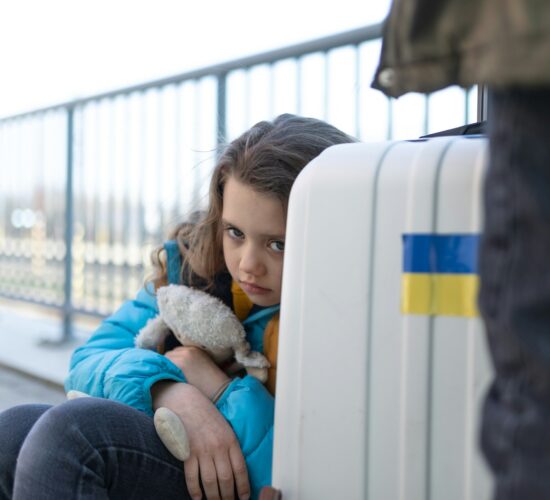
The humanitarian impact of the Ukraine war has reshaped the daily lives of millions of civilians, forcing families to abandon their homes and seek safety elsewhere. Entire neighborhoods have been emptied as people flee ongoing violence, shelling, and insecurity. The scale of displacement has created one of the most significant humanitarian emergencies in modern European history, with countless families living in uncertainty about when or whether they will be able to return home.
Inside the country, displaced civilians often move from one region to another in search of relative safety. Many stay in temporary shelters, shared apartments, schools, or community centers that have been converted into emergency housing. Overcrowding and limited resources place additional strain on both displaced families and host communities. Access to healthcare, education, employment, and social services is often disrupted, leaving many people dependent on humanitarian assistance.
Beyond national borders, the humanitarian impact of the Ukraine war is evident in neighboring countries that have opened their doors to refugees. Host nations have provided protection, housing support, and access to public services. Even so, the sudden arrival of large populations has stretched infrastructure and social systems. Refugees frequently face language barriers, employment challenges, and emotional distress as they try to rebuild their lives in unfamiliar environments.
Women, children, older adults, and people with disabilities are particularly vulnerable during displacement. Many families have been separated, with some members remaining in conflict areas while others flee. This separation deepens emotional trauma and complicates long term recovery. The humanitarian impact of the Ukraine war therefore extends beyond physical relocation and touches every aspect of civilian stability and well being.
Humanitarian Impact of the Ukraine War on Infrastructure
The destruction of civilian infrastructure stands at the center of the humanitarian impact of the Ukraine war. Residential buildings, medical facilities, educational institutions, and energy systems have been damaged or destroyed in many affected regions. For civilians, the loss of infrastructure translates into daily hardship and heightened insecurity.
Healthcare services have been severely disrupted. Hospitals in conflict zones struggle to operate amid damaged buildings, power shortages, and limited medical supplies. Patients with chronic illnesses face interruptions in treatment, while emergency care becomes more difficult to access. Medical staff often work under intense pressure, risking their own safety to assist injured civilians. The humanitarian impact of the Ukraine war is deeply felt in these strained healthcare systems.
Energy infrastructure has also suffered significant damage. Power outages have become common in some areas, especially during colder months. Without electricity, families lose heating, lighting, and access to clean water. Schools and hospitals cannot function properly, and businesses are forced to close temporarily. The humanitarian impact of the Ukraine war is therefore not limited to moments of active fighting but continues through prolonged disruptions to essential services.
Educational disruption is another critical concern. Many schools have been damaged or repurposed as shelters for displaced people. While remote learning options have been introduced, not all families have reliable internet or digital devices. Children who miss extended periods of education may struggle academically and socially in the future. The humanitarian impact of the Ukraine war thus threatens the long term development of an entire generation.
Water and sanitation systems have also been compromised in some regions. Damage to pipelines and treatment facilities reduces access to safe drinking water, increasing the risk of disease. Humanitarian organizations work to deliver clean water and hygiene supplies, yet ongoing insecurity can hinder consistent distribution. These challenges highlight how deeply the humanitarian impact of the Ukraine war affects everyday civilian life.
Humanitarian Impact of the Ukraine War on Civilian Safety
Civilian safety remains a pressing concern as the humanitarian impact of the Ukraine war continues to unfold. Airstrikes, shelling, and urban combat expose residents to constant danger. Civilians living in contested areas often rely on basements, underground stations, or improvised shelters for protection. Even with precautions, the risk of injury or death remains high.
The humanitarian impact of the Ukraine war also includes serious human rights concerns. Civilians in occupied or heavily militarized areas may face restrictions on movement, limited access to information, and fear of detention or mistreatment. Such conditions contribute to an atmosphere of anxiety and instability that extends beyond physical threats.
Children experience the humanitarian impact of the Ukraine war in especially profound ways. Exposure to violence, displacement, and family separation can lead to lasting psychological harm. Many young people show signs of trauma, anxiety, and depression. Access to mental health support is crucial but not always available, particularly in remote or heavily affected communities. Safe spaces, counseling programs, and community initiatives are essential to helping children regain a sense of normalcy.
Another hidden danger comes from landmines and unexploded ordnance. As civilians return to previously contested areas, they may encounter explosive remnants of war. These hazards pose ongoing risks long after active fighting subsides. Clearing contaminated land is a complex and time-consuming process, yet it is vital to reducing the humanitarian impact of the Ukraine war on returning populations.
Humanitarian Impact of the Ukraine War on Livelihoods
Economic hardship forms another significant dimension of the humanitarian impact of the Ukraine war. Businesses have closed, industries have slowed, and many workers have lost their jobs. Families that once relied on stable incomes now depend on savings, community support, or humanitarian aid to meet basic needs.
Agricultural activity has been disrupted in several regions. Fields may be inaccessible due to insecurity or contamination, and supply chains have been interrupted. Farmers face challenges in transporting goods, obtaining fuel, and repairing damaged equipment. The humanitarian impact of the Ukraine war, therefore, extends beyond immediate conflict zones and influences food security at both national and international levels.
Rising living costs add further pressure. Food, energy, and transportation expenses have increased in many areas, straining household budgets. Vulnerable populations are particularly affected, as limited income makes it difficult to cope with inflation. Humanitarian cash assistance programs aim to provide relief, but funding constraints can limit their reach.
Mental health challenges are closely linked to economic stress and prolonged insecurity. The humanitarian impact of the Ukraine war includes widespread emotional strain, grief, and uncertainty about the future. Community based counseling services and psychosocial support initiatives are essential for helping civilians navigate these difficulties.
In the long term, recovery will require rebuilding infrastructure, restoring economic opportunities, and supporting social cohesion. The humanitarian impact of the Ukraine war will not disappear with the end of active hostilities. Sustainable peace, comprehensive reconstruction, and continued international cooperation will be necessary to address the deep and lasting effects on civilians.
Additional Information
- Blogs
- Alexander Rekeda